Entry Closet: Ikea Sektion + Semihandmade Built-In
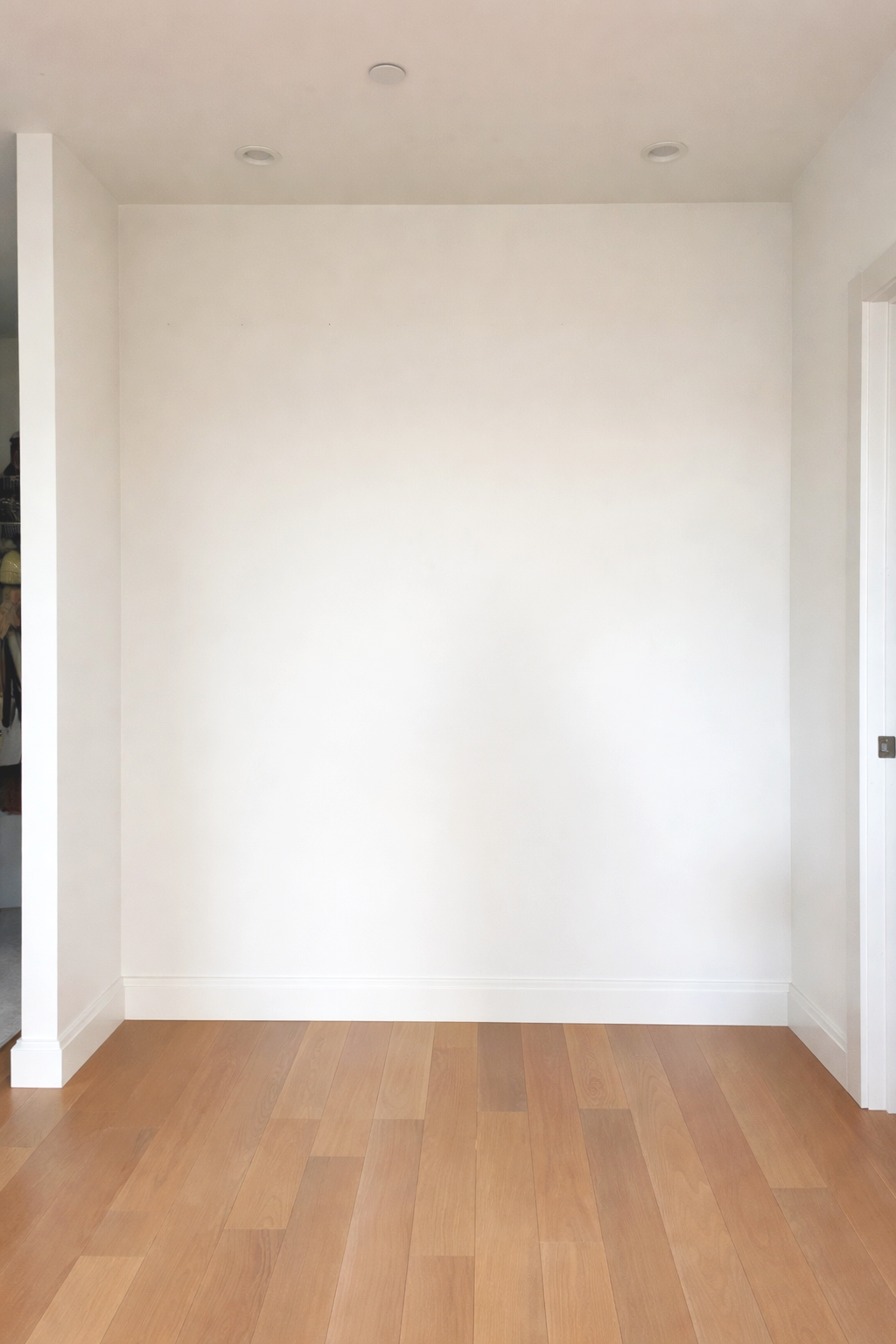
B E F O R E
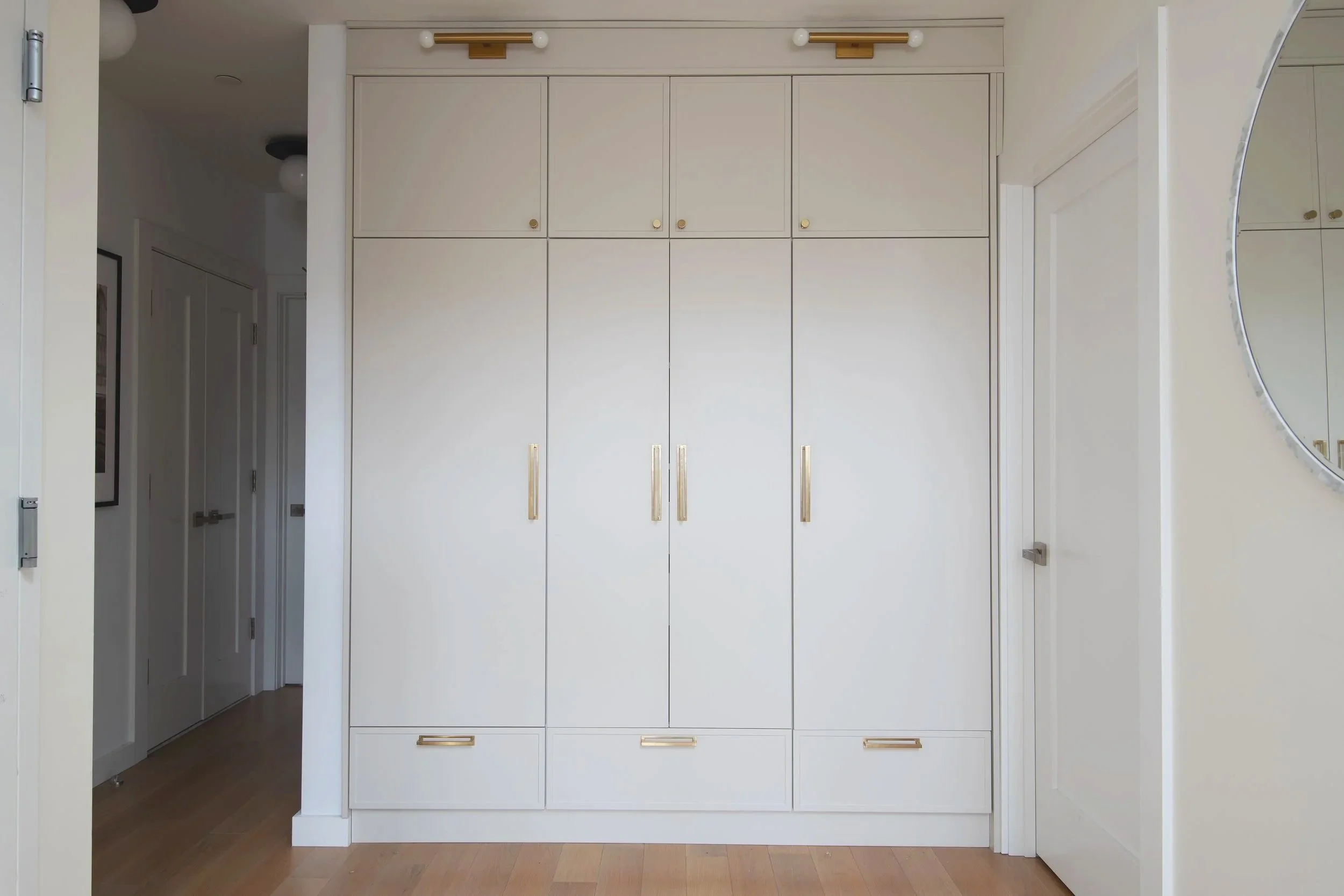
A F T E R
The Entry
When we moved into our new-construction condo in Brooklyn, the foyer was essentially an empty white box—a blank canvas if I'm being generous. (Completely lacking functionality if I'm being critical of the developer.) There was a niche where a closet should have been, but it was left as-is—not even framed out.
With a family of four and nowhere to put anything, living among boxes quickly became chaotic. Add two small children to the mix, and I was desperate for a solution.
The challenge is that I want things solved quickly (who doesn't), but I also want them done thoughtfully—every item accounted for, every decision intentional. At least, mostly. (This is usually where my husband checks out.)
So instead of tackling a single closet, I planned all of our built-ins at once: an entry closet, a small walk-in in our primary bedroom, and a living room built-in. Ordering in volume helped offset freight costs—which add up quickly with heavy cabinets and door fronts—and, more importantly, ensured the design felt cohesive across the entire home. (If you live nearby, picking everything up yourself is worth considering—freight is no small line item. Ours was $700.)
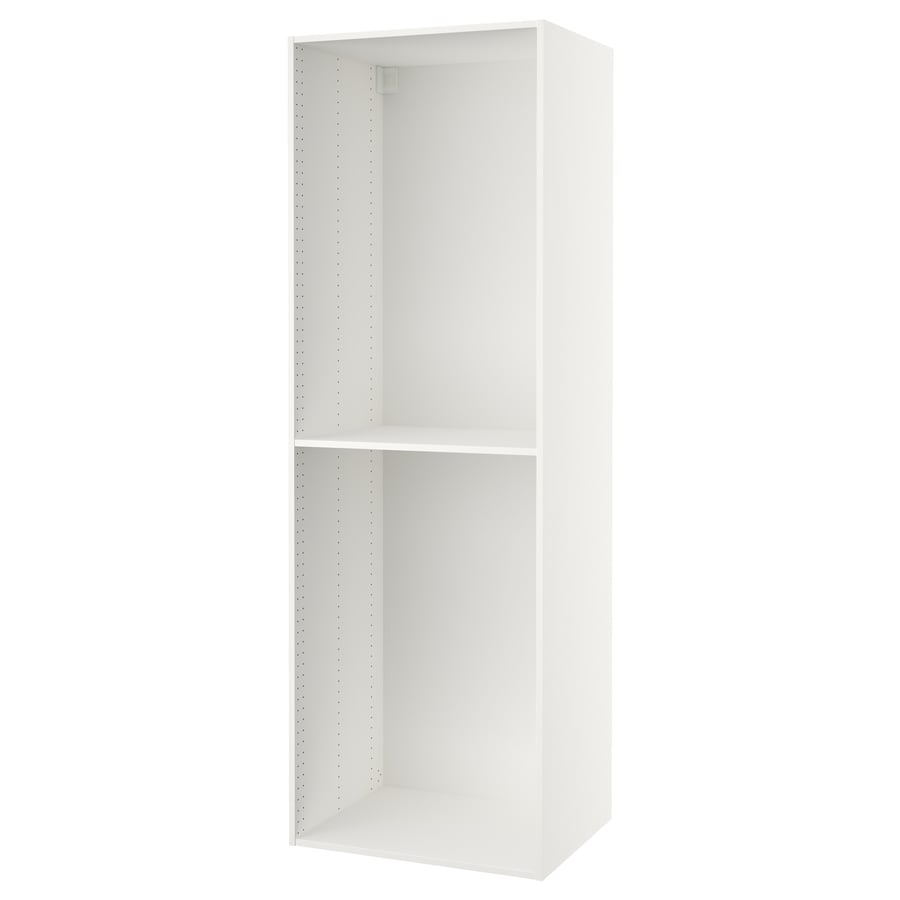
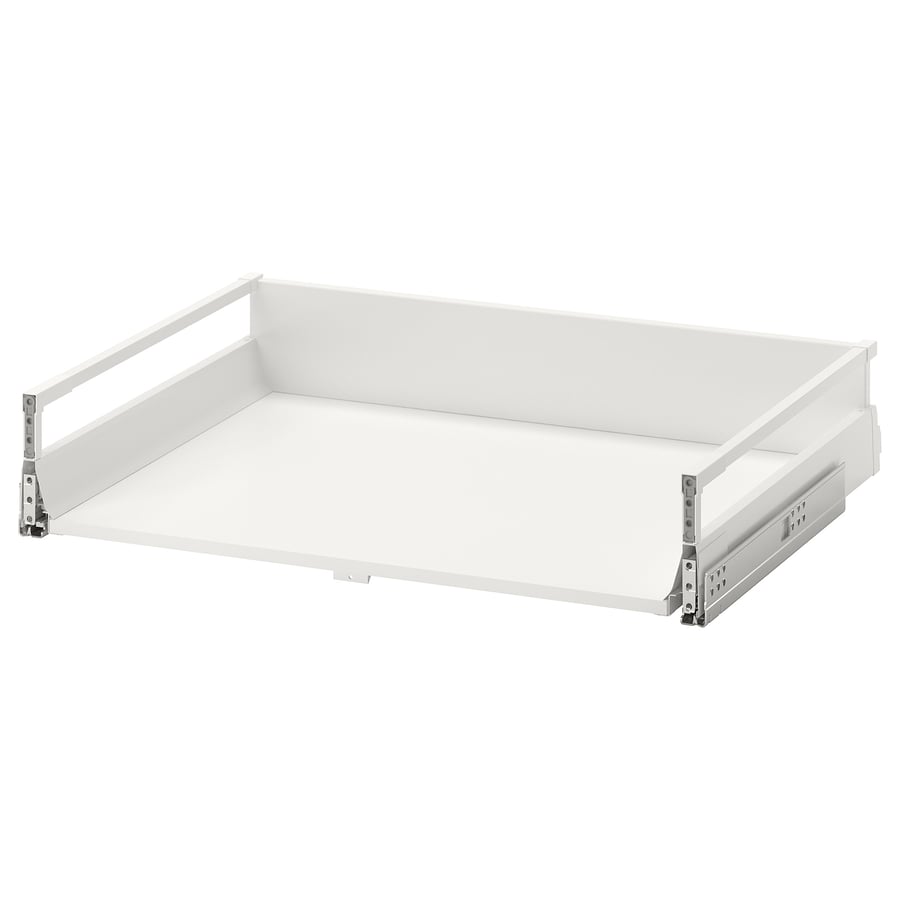
IKEA Sektion Cabinets
I designed all three built-ins using IKEA's Sektion kitchen planner. For now, we'll focus on the entry closet.
This wasn't just a coat closet. City living means fewer rooms and fewer dedicated zones, so I needed this wall to work much harder.
It had to hold: a microwave, toaster, pantry goods, coats, shoes, ski gear, suitcases, and a printer.
An odd mix—but I needed all of it to fit.
Sektion's flexibility made this possible—wide range of cabinet sizes, endless internal configurations, plus custom hanging rods I added for coats since this wasn't a standard kitchen application.
This post contains affiliate links. I may earn a commission on purchases made through these links, at no additional cost to you.
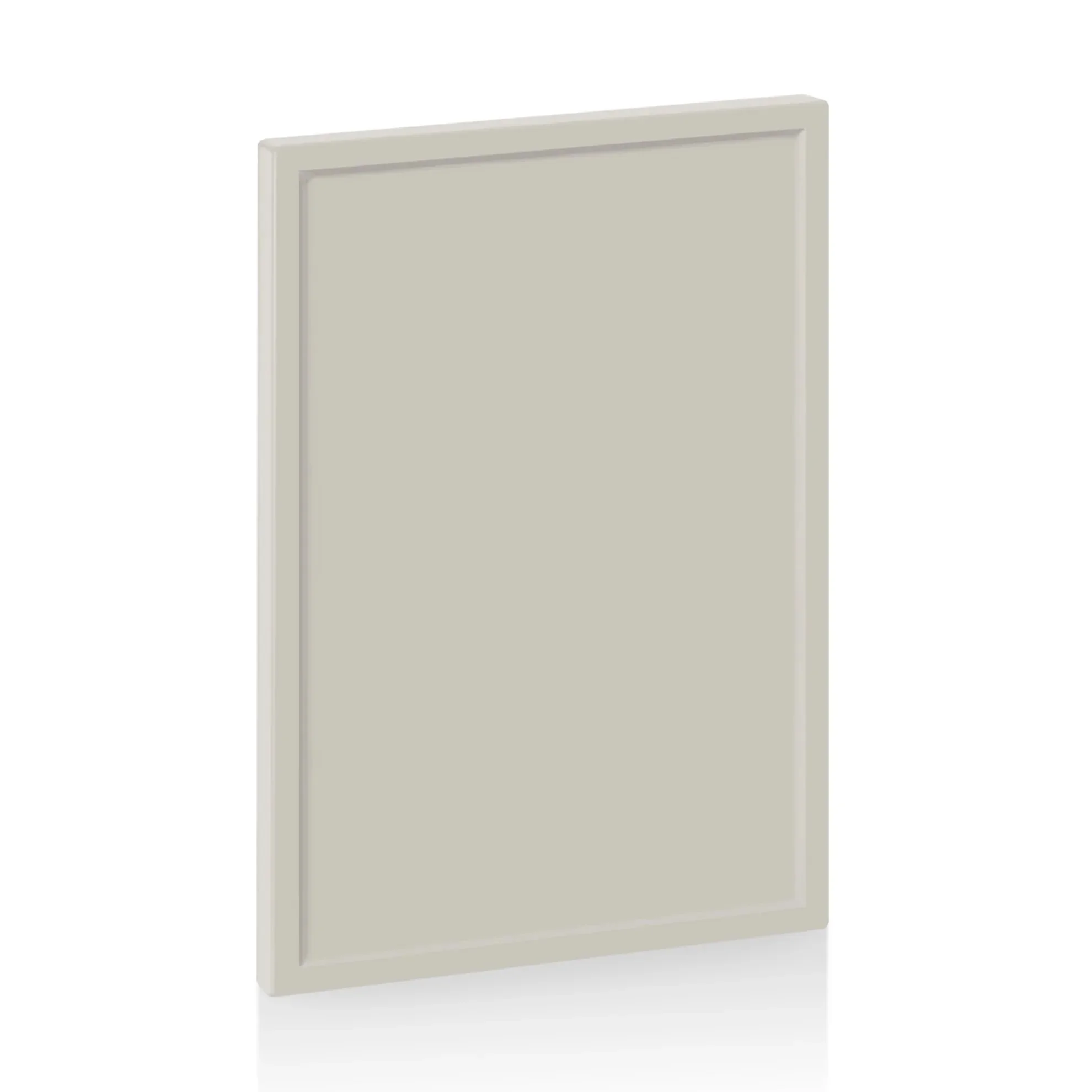
Semihandmade Doors
I'd heard a lot about Semihandmade—a company that creates custom door fronts for IKEA cabinets—and knew I wanted to use them here. My sister asked why I wouldn't just use IKEA doors. My answer: "Because that's too easy." She laughed—but truly, if you enjoy the design process the additional customization is where things look more custom and less I picked this from a catalog.
My goal was something contemporary yet classic, with a neutral palette that would visually expand the space. I visited the showroom and ordered samples—non-negotiable for a project at this scale. Mistakes made at this stage are exponentially more expensive to fix later.
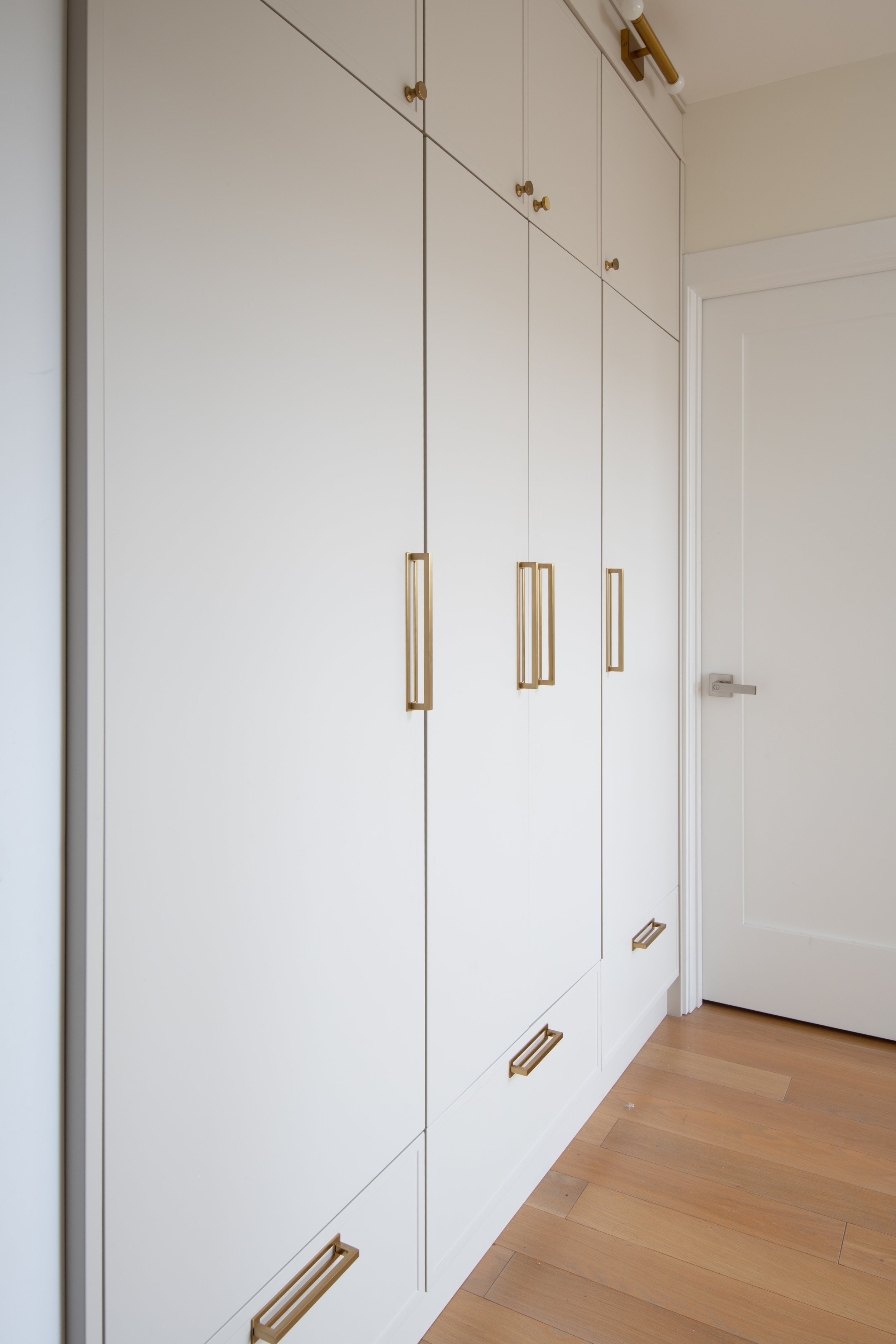
After reviewing what felt like every possible door profile and finish combination, I landed on a mix of slab and quarterline fronts. The slab doors give the eye a place to rest, while the quarterline adds just enough detail to keep things from feeling flat. It bridges contemporary and classic in a way that felt right for the space. A traditional shaker would have leaned too far in one direction. So, if you're torn between two options, you don't necessarily have to choose just one.
One practical note: door profiles are priced differently. If you're trying to manage costs, it's worth modeling out a few variations. Even small per-door differences add up quickly at scale.
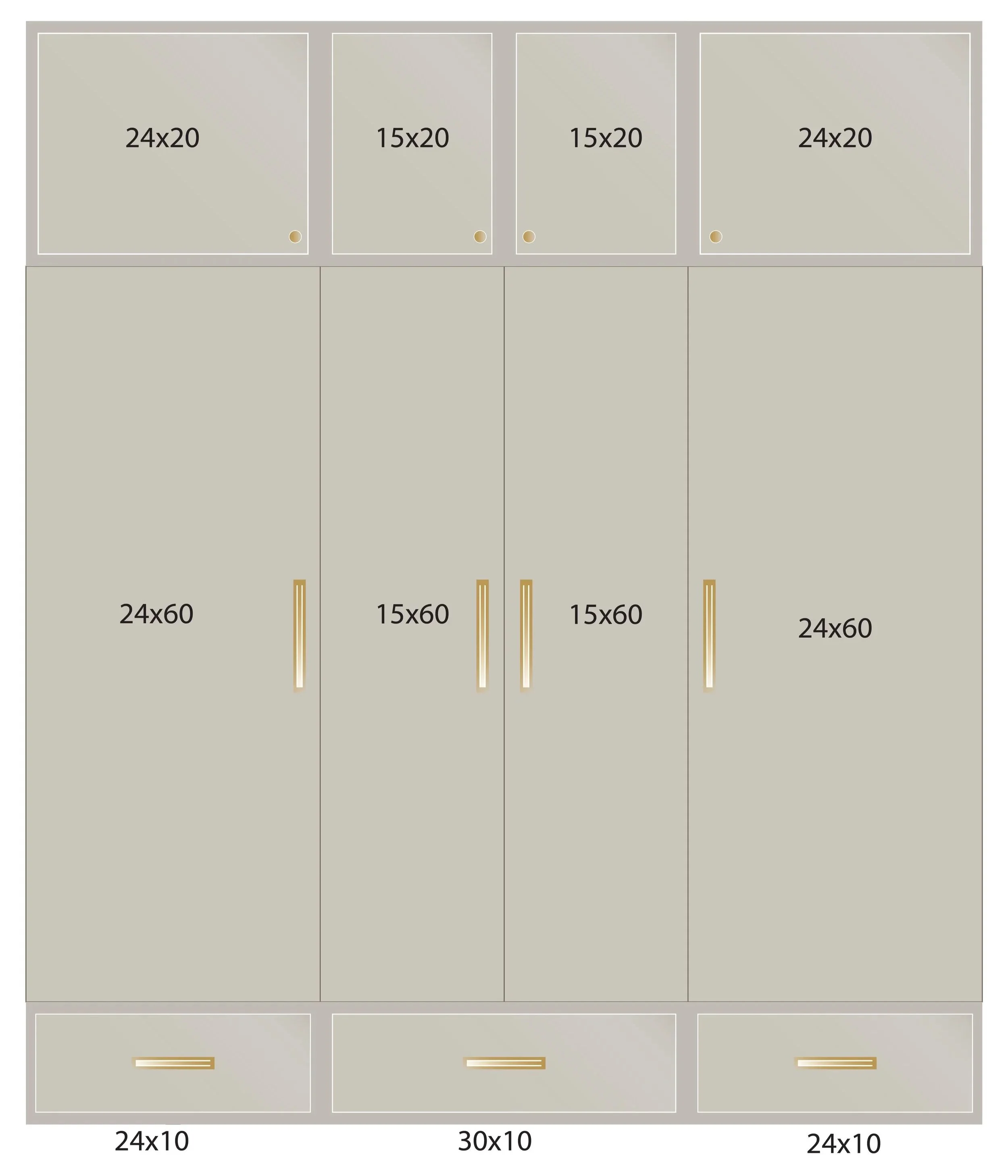
TEST THE LAYOUT
I mapped out the door profiles and dimensions to visualize quantities and ensure the Semihandmade designer and I were aligned.

Slab Door - a modern, flat face
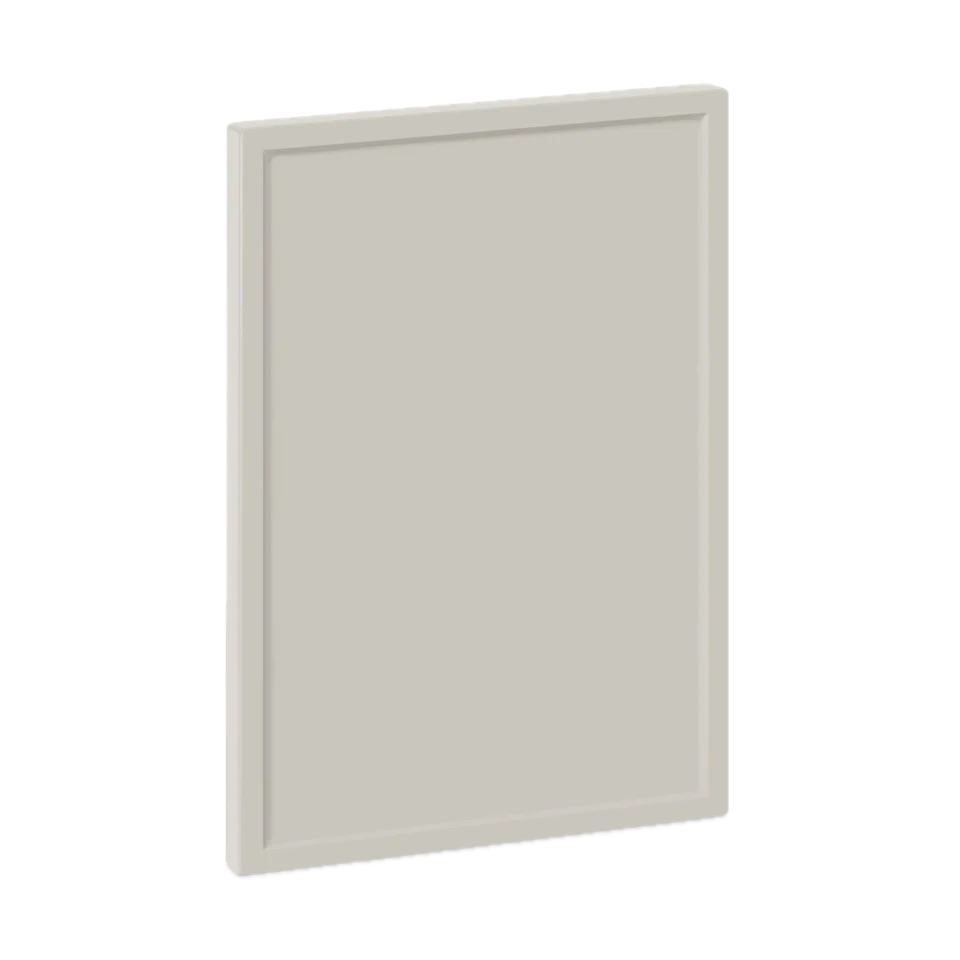
Quarterline Door - a twist on a traditional Shaker style with a 3/4” border
Installation
I handled most of the installation myself, with my husband stepping in when I needed an extra set of hands. It's very doable if you're willing to learn and reasonably handy.
The biggest timing consideration is lead time. Semihandmade doors are made to order, and when a few of ours arrived damaged in transit, reordering added a couple of weeks. Not a major issue—but something to factor in if you're working toward a deadline.
The Details
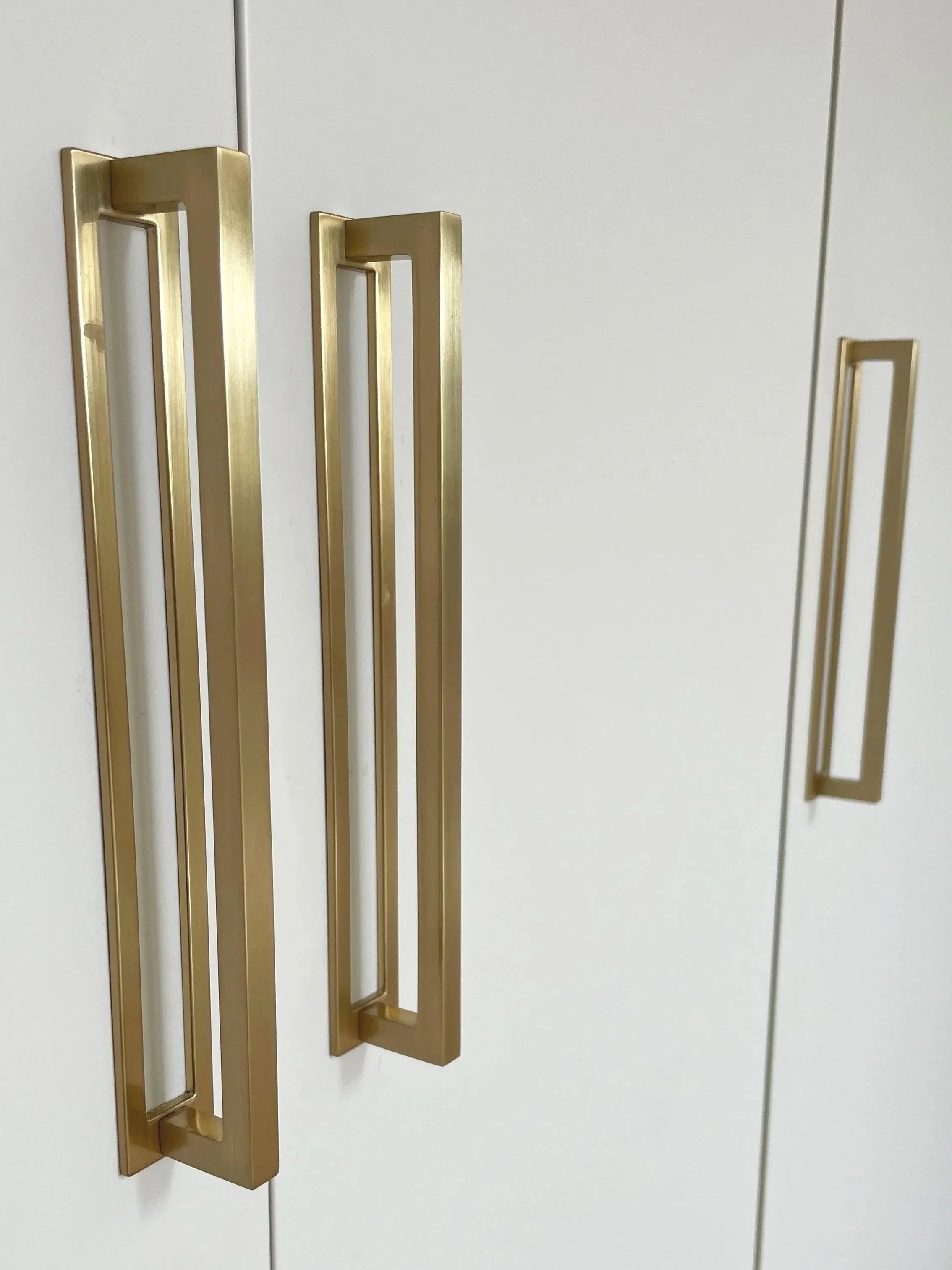
CABINET HARDWARE
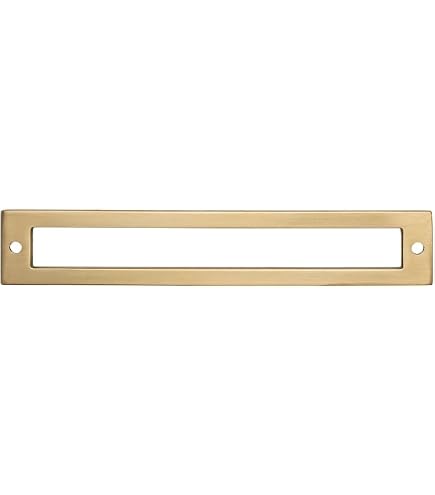
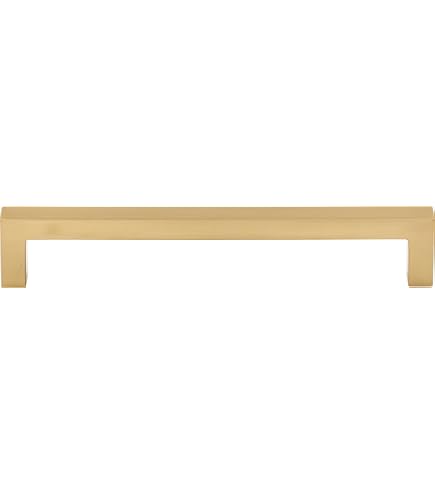
I love cabinet hardware—it’s the jewelry of a room. I knew I wanted to use the Hollin backplate from Top Knobs, but I tested several pulls before settling on a square bar handle from a different Top Knobs collection. The knobs went through a few iterations as well; I ultimately chose a classic round profile from Home Depot. I’m always in favor of mixing hardware. Just be sure to sample first—you want to see the finish in your space and feel the weight in your hand before committing to quantity.
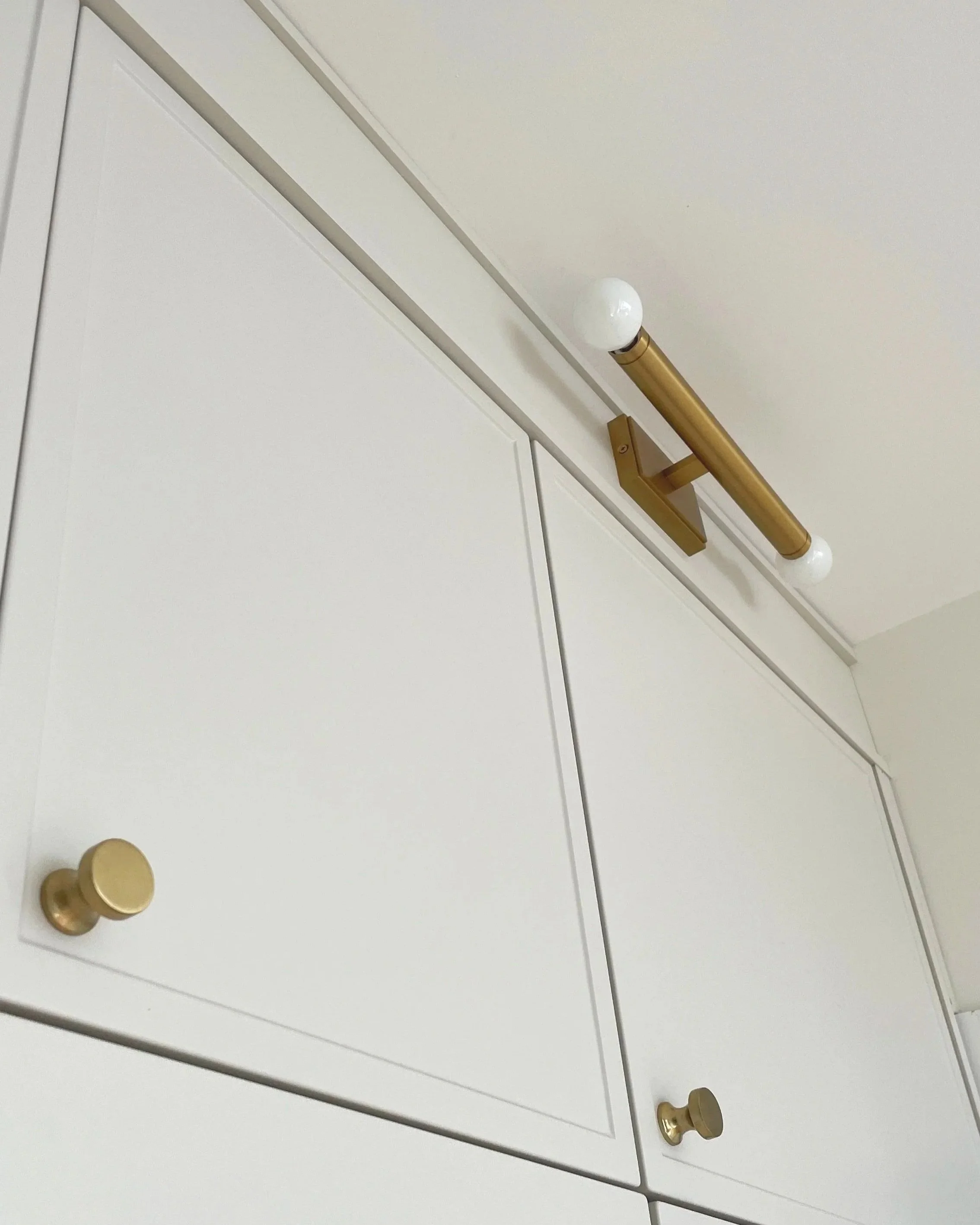
WALL SCONCES
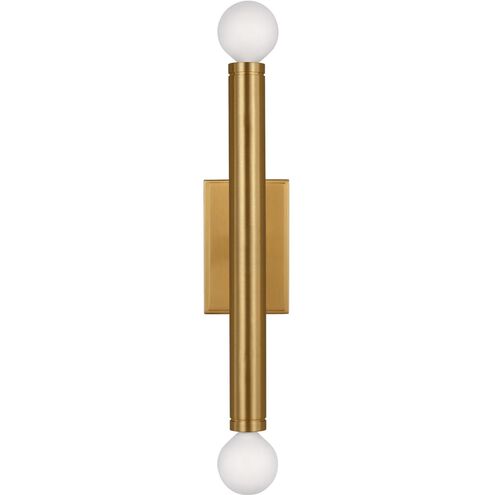
I went through several wall sconces from Lighting New York before landing on these from Thomas O’Brien. Getting the scale right relative to the built-in was key, and I wanted the brass to feel cohesive—if not an exact match. Their free returns make it easy to ‘try on’ different fixtures at home before committing.
The Result
The result: a space that works as beautifully as it looks—cohesive, highly functional, and intentional. Proof that even utilitarian storage can elevate a room when it's thoughtfully designed.
The Decisions
-
A: Cost. Fully custom cabinetry for one built-in would have cost what I paid for all the doors across three separate projects.
-
Semihandmade doors are thicker and have more heft than Ikea's standard options, plus they offer more color and profile variations to achieve a truly custom look.
-
A: I love the subtle visual interest. If you like two profiles, why not try both? The slab doors also give the eye a bit of reprieve—depending on your profile choice, having them all identical can feel too monotonous.
Resources